
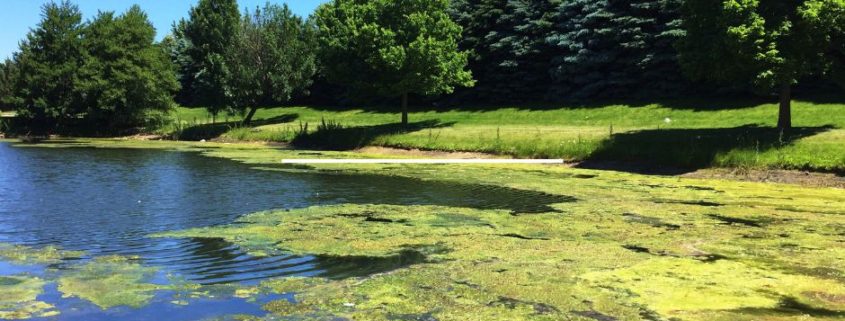
Ponds are a beautiful addition to any landscape, providing a serene spot for relaxation and a habitat for aquatic life. However, maintaining the pristine condition of a pond can be challenging, especially when faced with the common problem of algae growth. Understanding the different types of pond algae is the first step towards effective management and control.

The Importance of Algae in Ponds

Before diving into the types of algae, it’s crucial to understand their role. Algae are a natural part of the pond ecosystem, producing oxygen during the day and serving as a food source for various aquatic animals. They are integral to the health and balance of the pond, but overgrowth can lead to numerous issues.

The Most Common Types of Pond Algae

  1. Planktonic Algae
    • Appearance: These are microscopic algae that give water a green tint when present in large numbers.
    • Role: They are the base of the food chain and are essential for a healthy pond.
    • Control: Proper circulation and aeration can prevent extreme blooms.
  2. Filamentous Algae (String Algae)
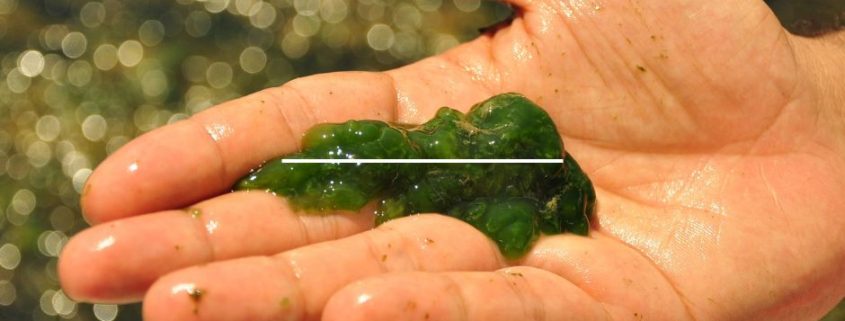
    • Appearance: These algae form long, hair-like strands that can float on the surface or attach to structures.
    • Role: While they can provide habitat for microorganisms, excessive growth can disrupt the pond’s aesthetics and balance.
    • Control: Mechanical removal, beneficial bacteria, and reducing excess nutrients can help control their growth.
  3. Chara (Muskgrass)
    • Appearance: This algae resembles a submerged plant with a musky odor.
    • Role: It can serve as a habitat for fish and invertebrates.
    • Control: Regular manual removal and balancing the pond’s nutrient levels are effective measures.
  4. Blue-Green Algae (Cyanobacteria)
    • Appearance: It can form a scum on the surface, often with a blue-green, brown, or reddish tint.
    • Role: Some types produce toxins that can harm aquatic life and even pose health risks to humans.
    • Control: Reducing nutrients, proper aeration, and timely treatments can prevent and control blooms.

Factors Leading to Algae Blooms

While some algae are beneficial, imbalances can lead to unwanted blooms. Key factors include:

  • Excess Nutrients: Overfeeding fish, decaying plants, and runoff can introduce excess nutrients, particularly nitrogen and phosphorus.
  • Stagnant Water: Lack of circulation can create conditions favorable for algae growth.
  • Sunlight: Prolonged exposure to direct sunlight, especially in shallow ponds, can accelerate growth.

Controlling Pond Algae: Best Practices

  1. Aeration: Installing aerators or water features can increase oxygen levels and disrupt the growth of unwanted algae.
  2. Beneficial Bacteria: These bacteria can consume the excess nutrients that algae thrive on, helping to balance the pond ecosystem.
  3. Aquatic Plants: Floating plants like water lilies and submerged plants can compete with algae for nutrients, shading the pond, and reducing algae growth.

In conclusion, understanding the types of pond algae and the factors that contribute to their growth is crucial for maintaining a healthy pond ecosystem. Through proactive measures and consistent care, it’s possible to control algae growth, ensuring a beautiful and thriving pond environment.
In our continued pursuit of understanding environmental challenges, one question often comes to the fore: How do we effectively tackle the growth of unwanted algae in our lakes and ponds? As with most ecological issues, the answer lies in adopting a holistic and balanced approach.

Selecting the Right Product: A Deep Dive

Navigating the maze of algae treatment products available in the market can be daunting. But, just as with life’s various challenges, the solution lies not in looking for quick fixes but in adopting sustainable practices. This perspective is akin to making lifelong dietary and fitness choices.

Algae and Weight Loss: The Surprising Connection

Imagine the journey of someone aiming to shed extra weight. Quick fixes, like crash diets, might offer swift results, but are they sustainable? Can we adhere to them in the long run? Similarly, when we seek to control algae, a rapid solution might show immediate outcomes, but the longevity of these results is often questionable.

On the other hand, choosing natural, balanced products, while initially slow in showing visible changes, ensures a sustainable solution. It’s about adopting a method that might initially make things seem worse before they get better. For instance, when beginning a natural algae treatment, you might notice the green algae turning brown and accumulating on the water’s surface. While this might seem concerning, it’s a sign of the product working.

The Underlying Science: Microscopic Warriors

Consider the microscopic algae-eating microbes. These tiny warriors engage in a fierce competition, vying for the same nutrients that the algae rely upon. Over time, they not only consume these nutrients, thereby starving the algae, but they also help decompose and break down the dead organic matter. This is reminiscent of how, in a balanced diet and fitness regimen, one consumes fewer calories and burns more, leading to weight loss. The ultimate aim? Achieving a more wholesome state than where one began.

Crafting a Balanced Strategy: The Road Ahead

The road to a clean and algae-free pond or lake isn’t about seeking an overnight miracle. It’s about understanding the ecosystem, respecting its pace, and choosing a solution that offers harmony and balance. The benefits of this approach are manifold: from a clearer water body to the flourishing of aquatic life and a boost in overall biodiversity.

Embrace the Transformation: Witnessing the New Horizon

Embarking on this journey requires patience. Initial signs might not always be encouraging, but with continued commitment to the balanced approach, the transformation can be truly rewarding. Think of it as a metamorphosis: the initial stages might be slow and unnoticeable, but the end result is a beautifully balanced ecosystem, thriving and resilient.

In conclusion, as guardians of our environment, our approach towards any challenge should always be rooted in balance and sustainability. By adopting such an approach to combat algae, we not only ensure the well-being of our water bodies but also reinforce our commitment to preserving nature’s delicate equilibrium.

Introduction

Water bodies, from freshwater lakes to brackish ponds, are teeming with diverse life forms. Among the myriad of aquatic life, blue-green and filamentous algae have garnered attention due to their frequent and, sometimes, explosive appearances. Understanding the factors contributing to their growth helps in implementing effective management strategies.

The Science Behind Blue-Green Algae

What is Blue-Green Algae?
Blue-green algae, also known as cyanobacteria, are not true algae but are microorganisms that employ photosynthesis. They flourish in various aquatic environments and are known for their distinctive blue-green coloration.

Growth Conditions and Proliferation

Several factors promote the proliferation of blue-green algae:

  • High Nutrient Levels: Overloading water with nutrients, especially nitrogen and phosphorus, accelerates their growth.
  • Light: They require ample sunlight to undergo photosynthesis and proliferate.
  • Temperature: Warm water temperatures are conducive to their rapid growth.
  • Stagnation: Slow-moving or stagnant waters provide a stable environment for these algae to thrive.

Filamentous Algae: An Overview

Filamentous algae are green algae with long, thread-like structures. They can form dense mats on the water’s surface, often resembling wet wool or green cotton.

Factors Influencing Filamentous Algae Growth

  • Nutrient Availability: Just like their blue-green counterparts, filamentous algae thrive in nutrient-rich conditions.
  • Sunlight: Access to sunlight enhances their growth.
  • Water Flow: Slower moving waters allow filamentous algae to establish and grow.

The Ecological Impact of Algal Blooms

The sudden, dense growth of algae, known as algal blooms, can have several ecological consequences:

  • Oxygen Depletion: As algae die and decompose, they consume a significant amount of oxygen, potentially leading to fish kills.
  • Toxins Production: Some blue-green algae produce toxins harmful to aquatic life and even humans.
  • Habitat Disruption: Dense algal growth can impede sunlight penetration, affecting the aquatic flora and fauna beneath.

Managing Algal Growth in Aquatic Ecosystems

To address the concerns posed by these algae, integrated management strategies are crucial:

  • Nutrient Management: Reducing nutrient input into water bodies by controlling runoff and using phosphorus-free detergents can mitigate algal growth.
  • Aeration: Introducing oxygen through aerators or fountains can disrupt the growth of algae.
  • Biological Controls: Some aquatic organisms feed on these algae, controlling their numbers naturally.

Conclusion

The proliferation of blue-green and filamentous algae in water bodies is a multifaceted issue influenced by various environmental conditions. A comprehensive understanding of these factors is pivotal in devising effective strategies to manage and control their growth, ensuring the health and balance of aquatic ecosystems.